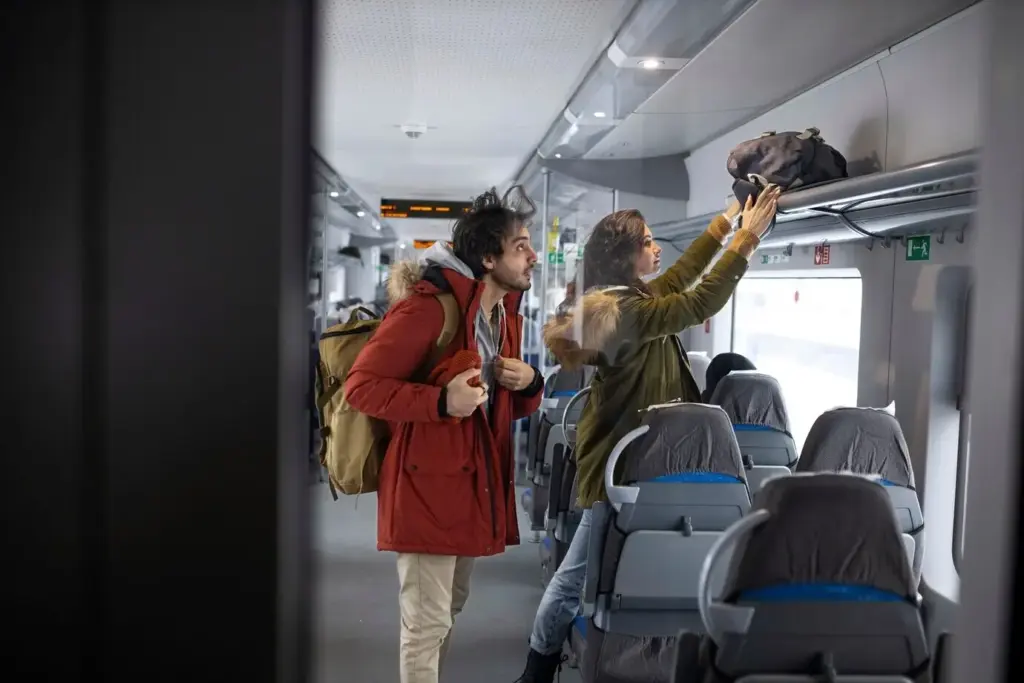
Ride the Wind: Buses to the Highlands and Moors

Set your sights on wide horizons as we dive into Highland and Moorland Bus Routes: Reaching Remote Landscapes Without a Car. We bring practical planning tips, on-the-ground stories from ridgelines and peat paths, and the confidence to swap keys for tickets, freeing your senses to notice heather scents, cloud shadows, and friendly drivers who know every passing stone wall.

Planning Beyond the Last Rail Stop

Out here, schedules breathe with the weather, school days, and market mornings, so a thoughtful plan turns uncertainty into adventure. Learn to read seasonal changes, stitch connections between villages, and build generous buffers that turn missed links into serendipitous discoveries, like unexpected bakery stops or extra time to watch skylarks spiraling into the pale northern sky.

Seasonality and Flexible Timetables

Rural timetables often swell in summer and slim in winter, with holiday services introducing extra morning climbs and late return options. Embrace flexibility: choose anchor journeys, identify backup departures, and carry offline copies. If winds cancel a ferry or snow dusts a pass, adaptability preserves joy, transforming delays into hillside rambles or museum visits beside warm stone hearths.

Connecting the Dots Between Villages

Think like a cartographer: sketch lines between parish stops, shop hours, and footpaths. A midday bus might drop you near a bridge where a signed track leads to an afternoon pickup further along the valley. Combining short rides with purposeful walking broadens possibilities, revealing waterfalls, field boundaries, and mossy gateposts most drivers on fast roads never notice.

Gear That Loves Wind, Rain, and Long Horizons

High ground magnifies weather, so pack like a confident wanderer. Light layers, dependable waterproofing, and simple navigation tools invite spontaneity without sacrificing safety. The right kit turns a misty ridge into a playful puzzle, keeping energy steady and spirits high when a breeze flicks drizzle into sparkling veils across sunlit heather and silvered loch water.

Layers for Four Seasons in One Day

Start breathable, then build warmth: merino or synthetic base, thin fleece, windproof shell, and a proper rain jacket. Add a warm hat and gloves even in July. Conditions pivot quickly at altitude, and comfortable temperature control means more curiosity, better decisions, and an unhurried pace that lets you notice ptarmigan tracks across patches of lingering spring snow.

Footwear, Gaiters, and Happy Knees

Choose footwear that fits your terrain: supportive boots for boggy tracks, trail shoes for dry estate roads, and gaiters when peat threatens to sip your socks. Trekking poles ease descents toward late-afternoon bus stops. Small investments in comfort reduce post-hike fatigue, letting you enjoy conversations with locals rather than nursing aches while the bus hums past stone bridges.

Reading the Land: Safety and Sense in Open Country

Weather Windows and Decision Points

Study mountain-specific forecasts and cloud behavior over ridges. Establish decision points—if visibility closes at the bealach, pivot to a lower traverse. Good judgment beats bravado; the next bus may be hours away. Choose warmth and visibility over summits, and celebrate the moody views where shafts of sun paint gold stripes across moors stretching beyond sight.

Navigation When Paths Fade into Heather

Study mountain-specific forecasts and cloud behavior over ridges. Establish decision points—if visibility closes at the bealach, pivot to a lower traverse. Good judgment beats bravado; the next bus may be hours away. Choose warmth and visibility over summits, and celebrate the moody views where shafts of sun paint gold stripes across moors stretching beyond sight.

Time, Daylight, and Turnaround Wisdom

Study mountain-specific forecasts and cloud behavior over ridges. Establish decision points—if visibility closes at the bealach, pivot to a lower traverse. Good judgment beats bravado; the next bus may be hours away. Choose warmth and visibility over summits, and celebrate the moody views where shafts of sun paint gold stripes across moors stretching beyond sight.

Scenic Corridors You Can Reach on a Bus

You don’t need a steering wheel to meet vast skylines. Buses trace river glens, climb passes, and skim moor edges where curlew calls rise. Think in corridors—valleys, coastlines, and upland plateaus—then weave walks between stops, joining cairns, bridges, and viewpoints that stitch a day’s narrative from silver dawn to copper dusk beside quiet water.

Glens, Lochs, and Waterfall Vistas

Follow buses upriver to trailheads shaded by birch and pine. Short climbs reveal hanging valleys, while lochside tracks loop back to downstream pickups. Pause where spray cools your cheeks and rainbows blink between gusts. With careful timing, you’ll wander from thundering falls to still coves, then step aboard with pockets full of pebble memories and pine scent.

Open Moor Plateaus and Ancient Lines

Some routes skirt broad uplands marked by boundary stones and ancient drove roads. From a quiet layby, stride toward wind-rounded tors or lonely trig points, letting skylarks soundtrack your pace. Return along a parallel fence line that funnels you back to a later stop, collecting wind stories and lichened textures etched into your imagination like old maps.

Cliffed Coast and Heathered Headlands

Where moor meets sea, buses unlock cliff paths high above seal-splashed coves. Step out near a lighthouse, trace heathery capes, then descend to fishing harbors for a hot bowl of chowder. Watch gannets arrow into steel-blue waves while you plan the next short ride, stringing viewpoints into a patient necklace of tides, trails, and gull laughter.

People, Stories, and the Joy of the Ride

A cheerful hello can unlock advice better than any guidebook. Ask drivers about safe drop-offs, confirm pickup points, and share your plan. Locals might suggest a loop with less bog or a bench sun-warmed in the lee of a dyke. Community knowledge transforms maps into living stories stitched with kindness and practical, time-saving wisdom.
Bring small notes for tickets and local shops. A coffee at the village café, a slice of cake from the bakery, or a postcard from the honesty box helps fragile economies thrive. Your footsteps become part of a gentle circulation, sustaining libraries, sports clubs, and bus routes themselves, ensuring future wanderers can reach these quiet horizons easily.
Queue neatly, remove muddy boots if asked, and keep packs tidy on your lap when seats are scarce. Offer window seats to those unsteady on curves. Thank the driver warmly at both ends. Small courtesies resonate in small communities, turning you from a passing stranger into a familiar face welcomed back when skies clear and heather blooms.

Lower Carbon, Higher Connection

Per passenger, buses typically cut emissions sharply compared with solo driving, especially on routes already serving communities. By pooling journeys, you shrink your footprint while expanding your field of view, noticing barn swallows threading bridges and peatland shimmer. That trade—less carbon, more connection—turns a routine transfer into a living classroom of weather, geology, and neighborly resilience.

Wildlife Wins and Quiet Roads

Fewer cars mean calmer laybys, less verge erosion, and safer crossings for red deer, toads, and hedgehogs. Buses consolidate traffic into predictable patterns, which wildlife can learn. Your seat becomes a blind for gentle observation, letting you witness migrations and moorland flowers without crowding delicate spaces or trampling damp ground during sensitive nesting and flowering windows.

Local Economies and Social Lifelines

Regular ridership helps keep rural services alive, supporting jobs and giving non-drivers access to healthcare, schools, and markets. Your ticket strengthens the case for additional runs and better connections. In return, you receive a warm infrastructure of welcome—smiles at stops, kept benches, and timetables that match real lives rather than only summer’s postcard expectations.
Xitepazitumupi
Privacy Overview

This website uses cookies so that we can provide you with the best user experience possible. Cookie information is stored in your browser and performs functions such as recognising you when you return to our website and helping our team to understand which sections of the website you find most interesting and useful.